
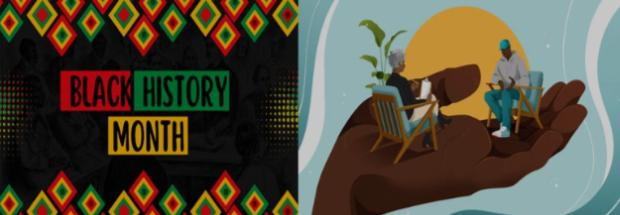
This year marks the 100th anniversary of the celebration of achievements in history that were contributed by black people. It was originally a dedicated week and then 50 years later, became a month. So many thoughts and feelings come up about this observance. One of the most common being: it’s not nearly enough. In celebration of this month, I asked our own Gwendolyn Holmes, a counselor, to write a blog for us. Enjoy!
Dr. Francesca K. Owoo, LCPC, LMHC, a licensed therapist specializing in helping Black, Indigenous, and People of Color (BIPOC) couples and families navigate chronic illness, said, “Mental health is an incredibly important factor for a fulfilling life. And having good mental health is about how we think, feel, and connect with others. It affects how we handle stress, make decisions, and go about our daily lives.”
When our mental health is good, it helps us take care of our responsibilities and enjoy life. When it is not, it can impact our physical health, self-esteem, and how we behave and interact with others. Some people have mental health symptoms that are strong, long-lasting, and make it hard to function day to day. This may be a sign of a mental health condition, such as depression, attention-deficit/hyperactivity disorder (ADHD), or panic disorder. Others may not have a diagnosed condition but still struggle with their mental health. This can include feeling stressed, anxious, overwhelmed, or emotionally distressed.
More than 80 percent of Black Americans are very concerned about the stigma surrounding mental illness, which often discourages seeking treatment. Patrice Harris, MD, Everyday Health's medical editor in chief at large, says, “There is no shame in having a mental illness and no shame in seeking help.” For more information about how mental health stigma impacts Black America, click on this link: How Does Stigma Associated with Mental Health Impact Black Americans? https://www.youtube.com/watch?v=U_w-1wpg01w
According to SAMHSA’s 2022 National Survey on Drug Use and Health:
- Black adults with mental health conditions are less likely to receive treatment than white or multiracial adults.
- Black adults are more likely to have serious thoughts of suicide than Asian adults.
- Black adults are more likely to have attempted suicide or made a plan for suicide than Asian and Native Hawaiian, and other Pacific Islander adults.
- Black young adults aged 18-25 have the highest prevalence of any mental health condition compared to other races.
- Black adults with mental health conditions are less likely to have received treatment than white and multiracial adults.
- means having a better quality of life and satisfaction with your overall being,”
If you are struggling with your mental health, visit mhascreening.org to take an anonymous, free, and private mental health test. It only takes a few minutes, and after you are finished, you will be given information about the next steps you can take based on the results.
At Oasis of Hope, we create a space where everyone feels comfortable sharing their experiences with mental health. One of our Core Values is: Harmony: We are an ensemble that encourages harmony through upholding dignity, celebrating diversity, and respecting personal autonomy. We are a culturally diverse ensemble of dedicated clinicians, and we are here to serve you.
 Dr. Maxie Clarence Maultsby Jr. (1932–2016) A Little Known Black History Fact
Dr. Maultsby was the founder of Rational Emotive Behavior Therapy (REBT) and Rational Self-Counseling. As one of the first African Americans to gain prominence in psychiatry, his work emphasized practical and accessible mental health strategies. Dr. Maultsby’s approaches have been instrumental in addressing mental health barriers in underserved communities, inspiring both clinicians and patients to prioritize emotional well-being.
I'm so glad Gwynne put this together for us today. My hope is that on this 100th observance, people of all nationalities and ethnic backgrounds will begin to recognize that the marginalization of people is not ever OK. Regardless of your race or background, we all have a responsibility to recognize injustice wherever we see it and to speak up on behalf of mankind. Yes, celebrate black history! This is a rich and multifaceted look at accomplishments that have happened over the years. Read histories, watch movies, and really think about the people who brought us so many things – scientific developments, real strides forward in human rights, freedom, dedication to our country. And learn from each one of these heroes, what can this mean for your own life? Martin Luther King, Jr. had so many powerful quotes. To inspire us today, “The ultimate measure of a man is not where he stands in moments of comfort and convenience, but where he stands at times of challenge and controversy.” We are all capable of making a difference to someone. How will we choose to use this power? I hope that I will inspire kindness, justice, and healing alongside the diverse and beautiful landscape of our great land. How about you?